
Pain is something we all experience, from a paper cut to living with chronic back pain. But while pain is universal, it’s also complex and highly individual. Pain is more than just a symptom. It can affect every part of your life: how you move, how you sleep, your mood, and your ability to enjoy daily activities.
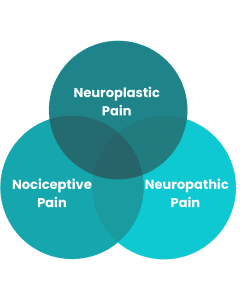
What many people don’t realise is that not all pain is the same. The latest pain research now recognises three main types of pain (IASP, 2021). Understanding which type (or types) you’re experiencing can lead to better treatment decisions, faster recovery, and improved quality of life.
Let’s take a closer look at the three types of pain: nociceptive pain, neuropathic pain, and neuroplastic pain and why it’s common to have a mix.
1 Nociceptive Pain
What is it?
Nociceptive pain occurs when there is clear, actual tissue damage in the body. This is your body’s natural warning system, letting you know something is injured or inflamed.
How long does it last?
This type of pain is usually short-term and improves as the body heals. It typically resolves within 8-12 weeks.
Common examples include:
- Sprains and strains
- Broken bones
- A cut or burn
- Sports injuries
- Post-surgical pain
What does it feel like?
Pain may be dull, aching, throbbing, cramping, sharp, or tender.
How is it treated?
Treatment often includes physical therapy, manual therapies, pain education, and gentle exercise. Acupuncture can also support the recovery process. In the early stages, typically within the first three months while tissues are healing, pain medication may be helpful.
Nociceptive pain secondary to illness
Nociceptive pain can occur as a secondary symptom in chronic conditions such as rheumatoid arthritis and cancer-related pain, sometimes progressing to mixed pain over time.
2 Neuropathic Pain
What is it?
Neuropathic pain happens when the nerves themselves are damaged or irritated. Unlike nociceptive pain, this type comes from problems within the nervous system rather than an external injury.
Common causes include:
- Diabetes (diabetic neuropathy)
- Shingles (post-herpetic neuralgia)
- Multiple sclerosis (MS), Parkinson’s disease
- Side effects from certain treatments, such as chemotherapy
- Excessive alcohol use
- Traumatic nerve injury.
What does it feel like?
Burning, shooting, electric shock-like, or tingling sensations. Sometimes the area may be numb or overly sensitive to touch.
How is it treated?
Neuropathic pain often doesn’t respond well to regular pain relief. It may require specific medications like nerve pain agents, topical creams or patches, pain education and psychological based therapies. Some people may find benefit from integrative therapies such as acupuncture, mind-body and lifestyle medicine approaches.
3 Neuroplastic Pain
(Also known as nociplastic pain or central sensitisation, TMS or Mind-Body Pain)
What is it?
Neuroplastic pain is a relatively new classification of pain, based on the latest advances in neuroscience (pain science). This type of pain is chronic, meaning it persists for more than three months. It occurs when the brain and nervous system continue to send pain signals even though there is no ongoing tissue damage, disease or unknown cause. The pain is very real, but the issue lies in how the brain and nervous system are processing those signals.
What causes it?
This type of pain can develop after an injury has healed or sometimes without a clear physical cause. The brain’s prediction patterns, fear of pain, stress, past trauma, and unhelpful beliefs or thought patterns can keep these pain pathways active. The brain’s pain system becomes overly sensitive – like a volume dial stuck on high.
Conditions linked to this type of pain include:
- Chronic back or neck pain
- Fibromyalgia
- Chronic headaches/migraines
- Repetitive strain injuries
- Irritable bowel syndrome (IBS) and many more
What does it feel like?
Symptoms vary between individuals. Pain may develop gradually without a specific injury or trauma, or it may persist after an injury has healed. Sometimes symptoms may change in location. Many people may also experience sleep difficulties, fatigue, low mood, anxiety, brain fog, or increased sensitivity to touch, temperature, or stress.
How is it treated?
Many people with neuroplastic pain find that traditional treatments, such as surgery, injections, medications, physical and manual therapies, provide little lasting relief. This is because these treatments focus mainly on the body, while neuroplastic pain is driven by changes in how the brain and nervous system process pain. Research shows that, in many cases, surgery, injections, and medications are no more effective than a placebo.
The key lies in shifting to a neuroplastic approach, focusing on retraining the brain and calming the nervous system along with pain education. This involves an individualised, whole-person (mind-brain-body) plan that addresses the underlying causes of the pain, not just the symptoms.
Mixed Pain – When More Than One Type Is Present
Pain is rarely straightforward. Many people experience mixed pain, meaning they may have two or even all three types of pain at once.
Example of Mixed Pain:
A person is involved in a motor vehicle accident and sustains whiplash (nociceptive pain from soft tissue injury). If the impact also causes nerve irritation or compression, they might develop neuropathic pain, such as tingling or burning in the arms. Over time, if the pain persists and becomes more widespread, with increased sensitivity to touch, stress, or movement, this can lead to neuroplastic pain, where the nervous system becomes overly reactive and maintains the pain even after the injury has fully healed.
Final Thoughts
Pain is a deeply personal experience and it’s more than just a physical symptom. Whether it stems from tissue injury, nerve injury, or brain and nervous system over-sensitisation, understanding the type or types of pain you have is the first step to effective care.
If your pain isn’t improving, or you’re unsure which type of pain you have, reach out to a health professional who understands the different pain types, and can guide you towards the support, tools and treatments you need for long-term relief.