What if life was free of pain and persistent symptoms?
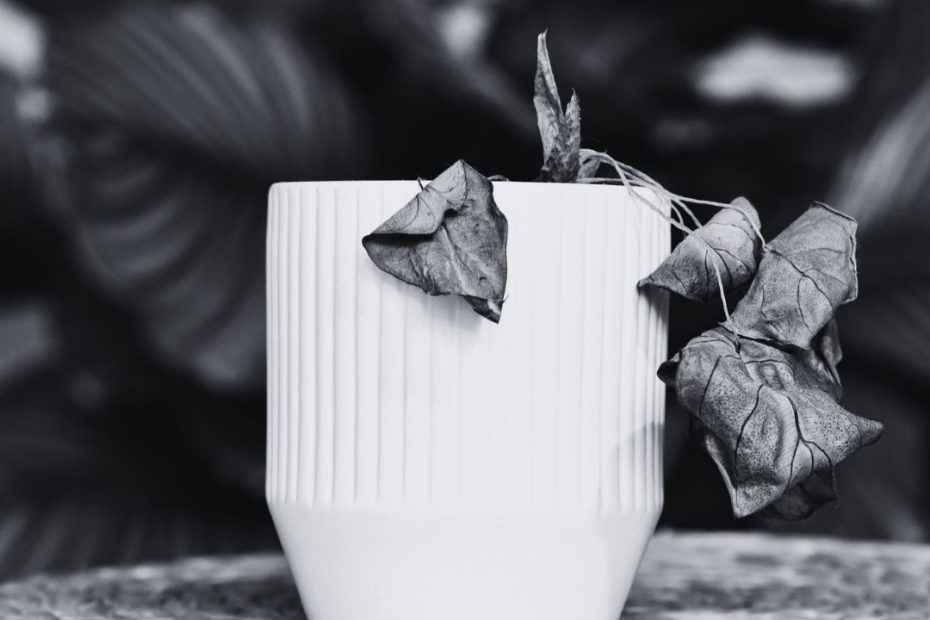
From the viewpoint of traditional medicine, many current health practitioners only look at the symptom, it’s like tending to a wilting plant by trimming off a few discoloured leaves, propping up a drooping stem, or misting the petals to make them appear fresher. These steps might improve how the plant looks momentarily, but instinctively, you might be thinking, this isn’t really helping the plant thrive, is it?
What if we focused only on the visible part of the plant without considering the soil it’s growing in, the amount of sunlight it receives, or how often it’s watered? If we neglect the environment, the very conditions that support the plant’s life, then we’ve missed the bigger picture. So naturally, we start asking: is the soil rich enough? Is there proper drainage? Is it getting the right nutrients, light, and care?
Now imagine you are that plant and you’re not flourishing. Would simply treating your symptoms with medications or quick interventions be enough? Where is the attention to the conditions that surround you: your rest, your nutrition, your emotional well-being, your relationships, your daily stressors? Just like a plant can’t thrive without the right environment, you can’t truly recover if we ignore the full landscape of your life.
We can treat the plant in isolation, snip the leaves, and polish the pot. Or we can care for the whole ecosystem it’s rooted in. Likewise, we can focus only on your pain and symptoms, or we can see you in the context of your whole environment. This is what the Acupoint health recovery approach is about, it asks us to understand pain not just as a symptom, but as part of a deeper, more complex story. And to understand your pain as part of your whole story.