

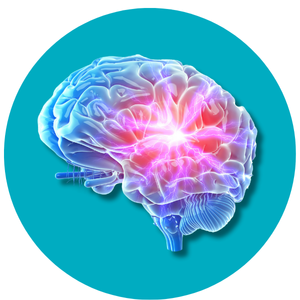





Chronic pain and persistent symptoms, such as back pain, headaches, IBS, medically unexplained symptoms and other persistent conditions, are real and valid. Revolutionary pain science shows that these symptoms are often not caused by ongoing damage or anything structurally “wrong” in the body. For example, changes such as disc degeneration often seen on MRI are a normal part of ageing and appear in many people who experience no pain at all. Structural findings alone do not always explain why symptoms continue.
How Pain Actually Works
Every experience of pain is produced by the brain. This does not mean the pain is imagined. The brain creates pain when it believes the body may need protection. It bases this decision on a combination of physical signals, stress levels, past experiences, emotions, beliefs, and perceived threat.
When the brain senses potential danger, it can generate pain or other symptoms even when the tissues are healthy.
Why Pain Can Become Persistent
For many people, long-term or recurring symptoms become neuroplastic — meaning the brain and nervous system have learned an overprotective pattern. This can lead to central sensitisation, where the brain and nervous system becomes extra sensitive and continues to send pain or symptom signals even after an injury has healed, or when no injury occurred.
Because the underlying mechanism lies within the nervous system, treatments focused only on the body may offer temporary relief but often do not address the real cause — The Brain.
The brain and nervous system are adaptable throughout life. Thanks to neuroplasticity, old, unhelpful patterns can shift and be replaced with new, healthier ones. This means persistent symptoms can change. With the right approach, the nervous system can quieten, recalibrate, and return to a more balanced state.
The Acupoint Health “Break Free” Approach
Our approach is grounded in evidence-based pain science. We help you calm and regulate your nervous system, retrain unhelpful brain patterns, and identify what is keeping your symptoms active.
Many people have been told their pain is “all in their head,” but this is not true. Your symptoms are real. They arise from how your brain and body are communicating, not from permanent damage.
By understanding how pain works and using targeted, science-based techniques, you can retrain your nervous system and move toward lasting recovery.
Why Does This Happen?
These protective pain and symptom patterns can develop for many different reasons, reflecting the uniqueness of each person’s experience.
Possible factors include:
Medical acupuncture is a valuable treatment that can help calm the nervous system, ease muscle tension, reduce pain signals, and release natural pain-relieving chemicals. For many people, this can make a meaningful difference.
However, for neuroplastic chronic pain, acupuncture alone may not fully interrupt the learned symptom cycle. Persistent pain often involves multiple brain regions and patterns related to prediction, fear, avoidance, and past experience. While acupuncture supports regulation and relief, a comprehensive brain–body approach is needed to fully retrain the brain and nervous system and achieve lasting recovery.
It’s simple to contact me, either complete the form above or message (via text) the clinic on